How to Future-Proof Your Building's Network Infrastructure
Future-proof your Dubai building's network: practical guidance on cabling standards, capacity, pathways and PoE so your infrastructure lasts a decade or more.
The short answer: future-proof your building by over-specifying the things that are hard to change later, namely pathways, risers, equipment rooms and cabling standards, while keeping the easily swapped electronics modest. Capacity you build into the structure costs little now and saves enormously later.
Networks age in two ways: the cable wears out, or the demands placed on it outgrow what it can carry. The second happens far sooner. This guide shows facilities and IT managers in Dubai how to design infrastructure that absorbs a decade of change gracefully.
Start With What You Cannot Easily Change
The cheapest time to add capacity is before the walls go up. The most expensive components to upgrade later are exactly the ones buried in the building fabric:
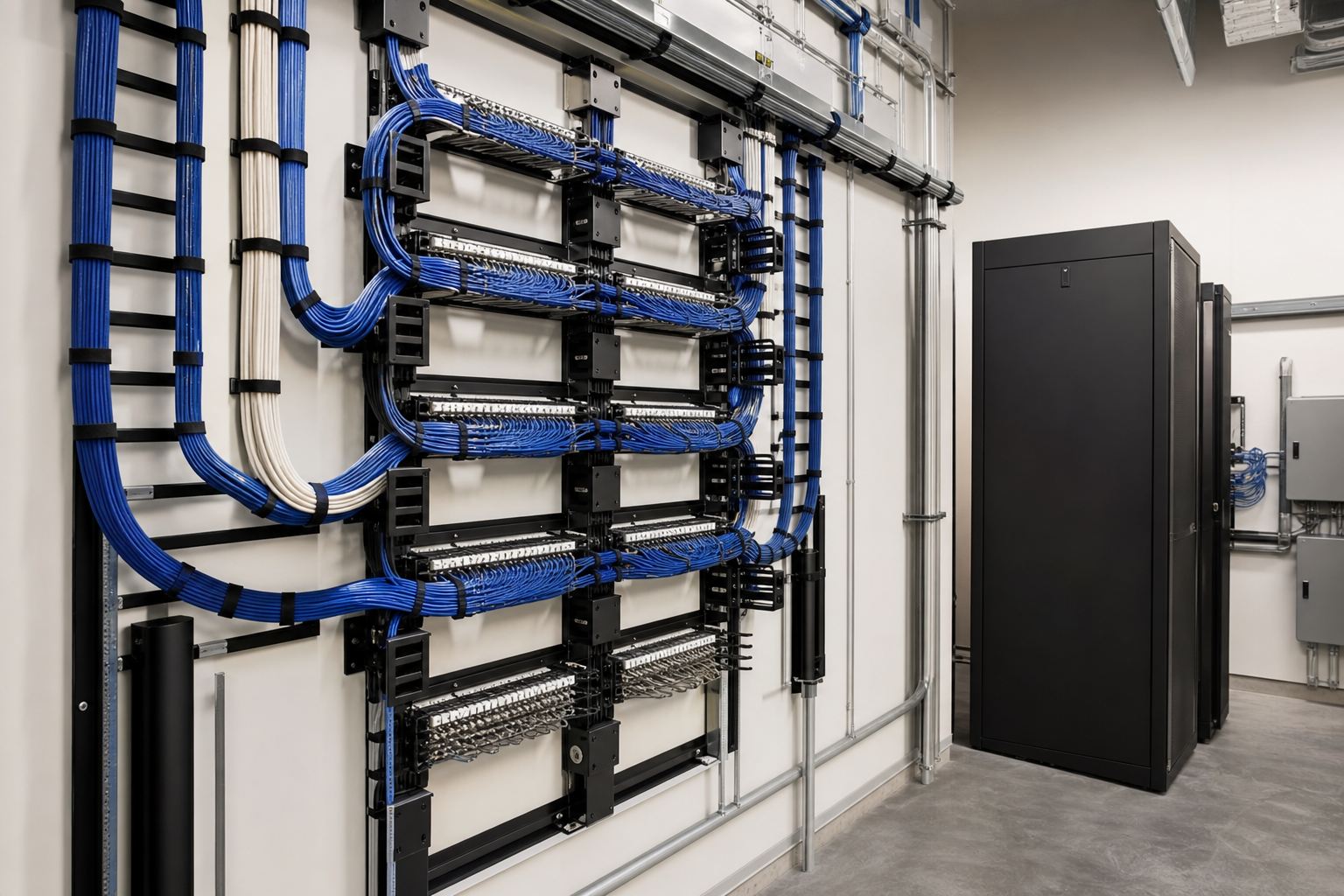
- Pathways and containment — trays, conduits and trunking that carry cable.
- Risers — the vertical shafts linking floors.
- Equipment and telecom rooms — space, power and cooling for switches and operator gear.
Specify these generously. Adding a switch is a morning's work; widening a riser in an occupied tower is a project. Build in spare pathway space from the outset and you keep every future option open.
Choose Cabling Standards With Headroom
The cabling you install should comfortably exceed today's needs.
Copper
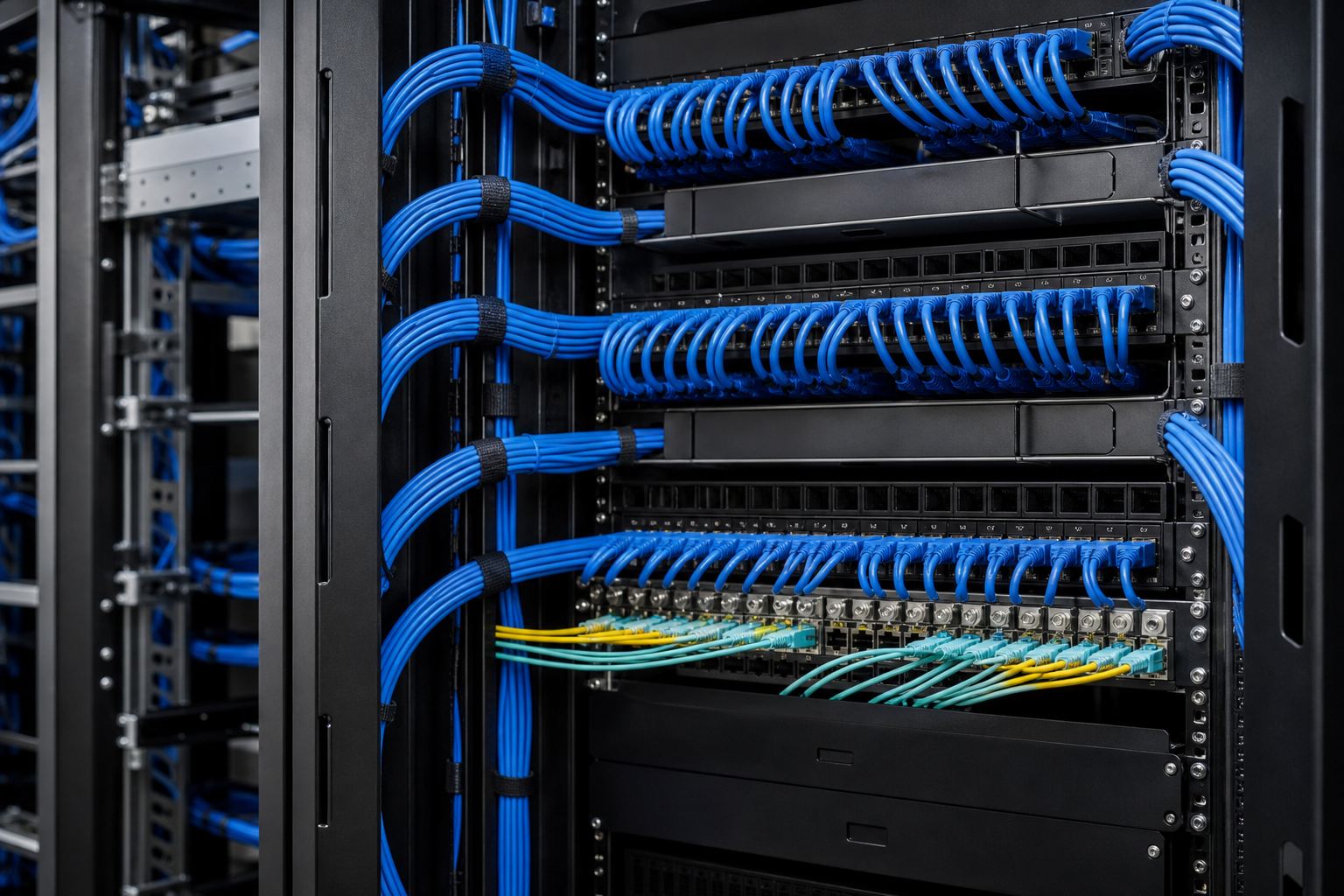
For horizontal runs to desks, cameras and access points, a 10 Gigabit-capable standard such as Cat6A gives years of headroom and supports the higher Power over Ethernet classes that newer devices draw. The incremental cost over a lower grade is small relative to the labour of installing it.
Fiber
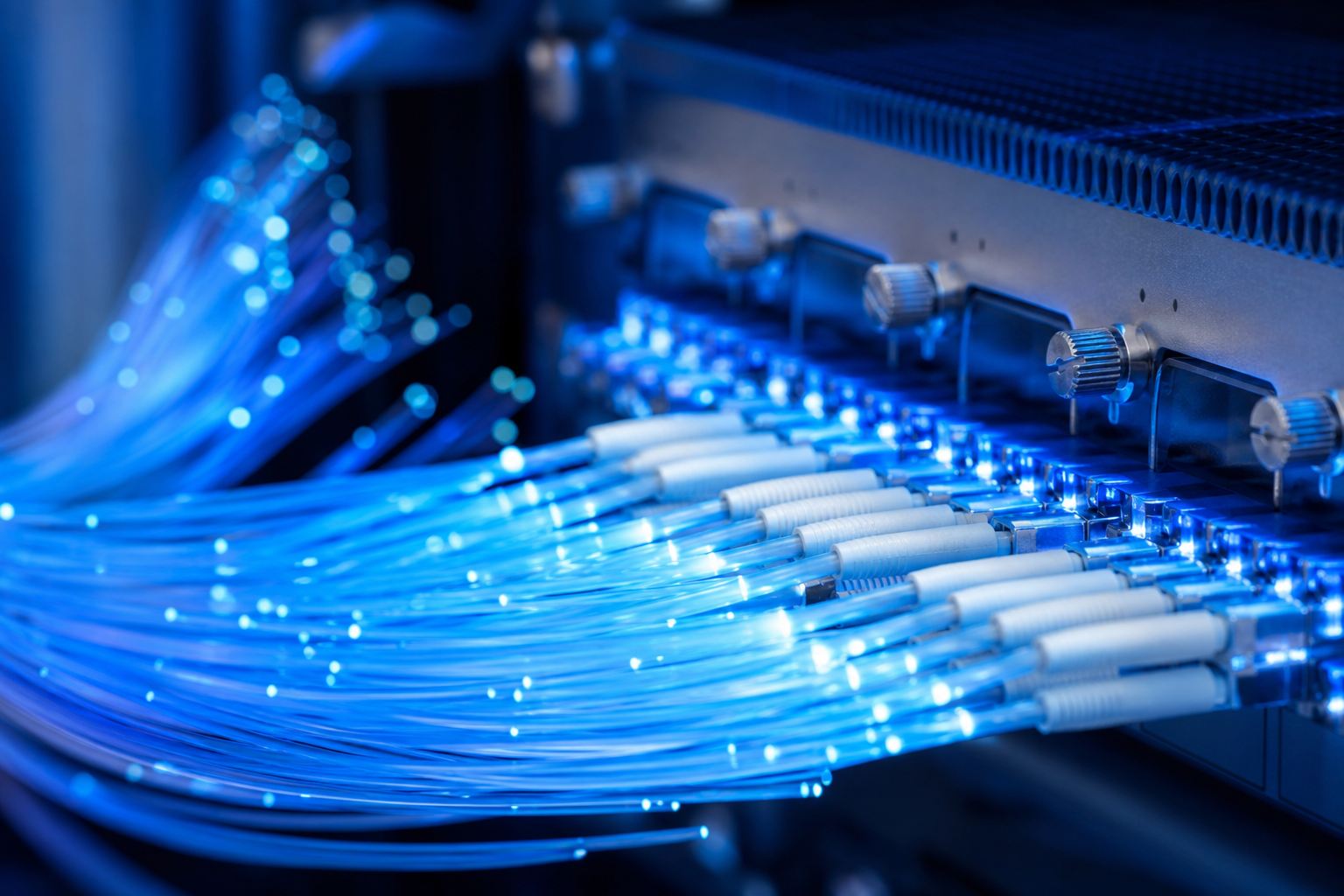
Fiber backbones are inherently future-proof: capacity is governed largely by the electronics at each end, so you can raise speeds later simply by upgrading transceivers and switches. Specifying quality single-mode and multi-mode backbones now means the glass rarely needs to be touched again.
Plan for Density, Not Just Coverage
Modern buildings pack in more connected devices every year:
- Higher-density Wi-Fi access points for reliable wireless.
- More cameras and access control points for security.
- Sensors, displays and AV endpoints throughout common areas.
Each of these needs a structured cable. A useful habit is to provision more outlets than today's plan requires, especially in ceilings and shared spaces, so adding a device later is a patching job rather than a cabling job.
| Element | Easy to change later? | Future-proofing priority |
|---|---|---|
| Switches and electronics | Yes | Low — upgrade as needed |
| Patch cords and outlets | Moderate | Medium — provision spares |
| Horizontal cabling | Hard | High — specify Cat6A+ |
| Fiber backbone | Hard | High — quality, with spares |
| Risers and pathways | Very hard | Critical — oversize now |
Power Over Ethernet as a Design Principle
Treat PoE as central, not incidental. Delivering power and data over one cable to cameras, access points, displays and door controllers reduces electrical work and adds flexibility. Plan switch capacity, cooling and cable grade around realistic future PoE loads, not just current ones, so you are not capacity-constrained when device counts rise.
Document Everything
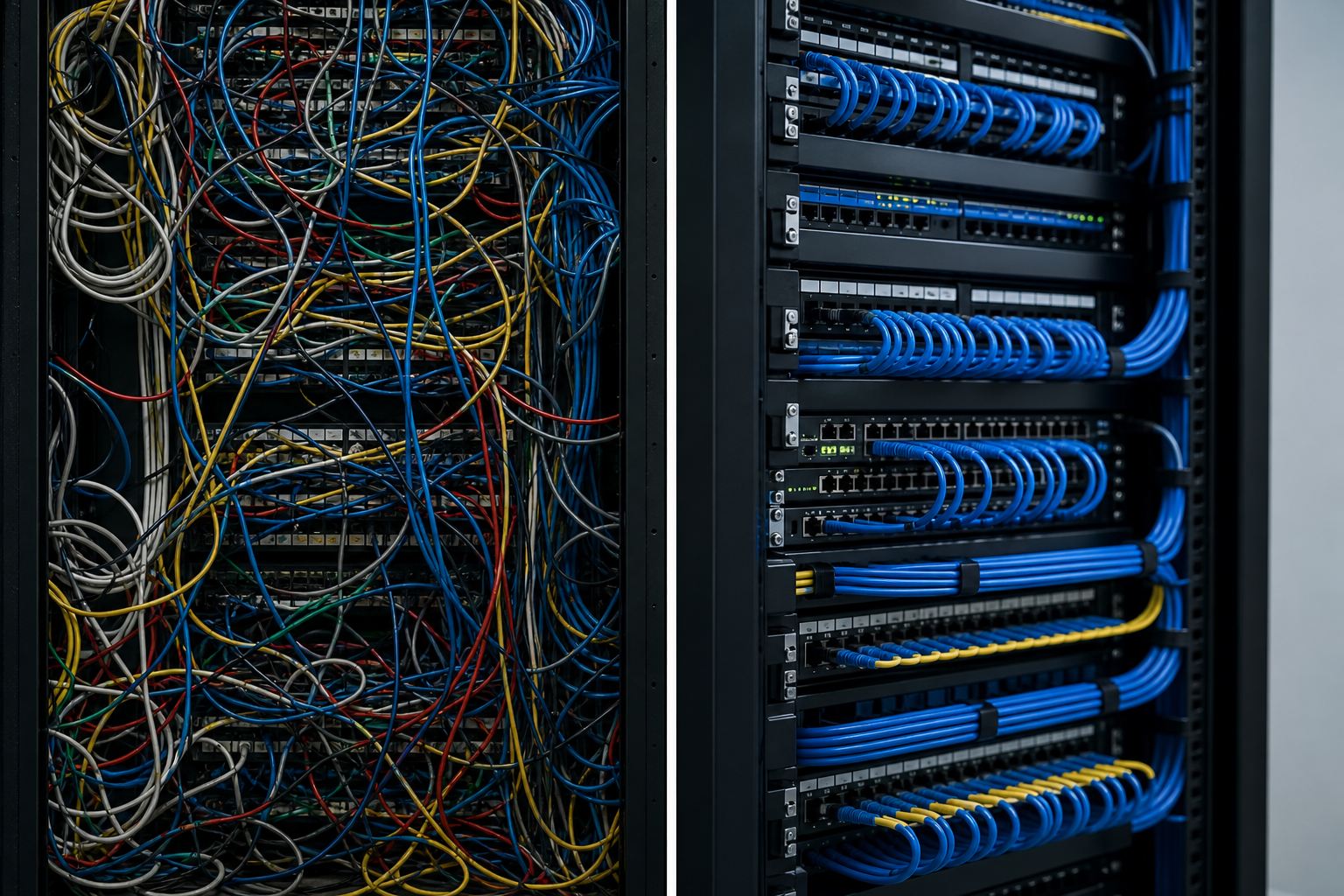
A future-proof network is also a documented one. Accurate, labelled as-built drawings and certified test results mean future changes are quick and low-risk. Undocumented cabling forces expensive rediscovery every time someone needs to add or move a connection.
Coordinate With UAE Service Providers
In Dubai, your infrastructure must dovetail with operators such as DU and Etisalat. Confirm their pathway, room and termination requirements early so the building is ready for current services and for future upgrades to those services. Designing around their standards from the start avoids costly retrofits.
A Simple Future-Proofing Checklist
- Oversize risers, pathways and equipment rooms.
- Specify 10 Gigabit-capable copper and quality fiber backbones.
- Provision spare outlets and patch capacity.
- Design switch and cooling capacity around future PoE loads.
- Keep complete, certified documentation.
- Align with operator requirements at design stage.
Future-proofing is not about buying the most expensive equipment; it is about making smart structural decisions while they are still cheap. Our team helps Dubai developers and facilities managers strike that balance. Explore our services or see our projects for delivered examples.
Planning a new build or a major refurbishment? Contact our team for a future-ready infrastructure design that grows with your building rather than against it.
Frequently asked questions
What does future-proofing network infrastructure actually mean?+
It means designing cabling, pathways and equipment rooms with enough capacity and flexibility to absorb years of growth without re-cabling. The goal is to add devices and bandwidth later by changing electronics, not by ripping out cable.
How much spare capacity should I plan for?+
There is no single number, but generous spare pathway space and a few extra outlets per area are inexpensive now and invaluable later. Containment and risers are the hardest things to expand, so size them generously at design stage.
Does Wi-Fi reduce the need for cabling?+
No. Strong Wi-Fi depends on densely cabled access points, each needing a structured cable for data and power. Wireless increases, rather than reduces, the importance of a well-planned wired backbone.
Is fiber necessary for future-proofing?+
Fiber is the most future-proof backbone medium because its capacity is limited mainly by the electronics at each end, not the glass. Specifying quality fiber backbones lets you raise speeds later by upgrading equipment only.