What Are ELV Systems? A Complete Guide for UAE Projects
What are ELV systems? A complete UAE guide to extra-low-voltage systems: CCTV, access control, cabling, networks and AV, plus how they fit Dubai projects.
The short answer: ELV (Extra-Low Voltage) systems are the low-voltage building systems that keep a property secure, connected and functional, including CCTV, access control, structured cabling, networks and audio-visual. In a modern UAE building, they are as essential as power and plumbing.
If you are developing or managing a property in Dubai, "ELV" will appear throughout your project documents. This guide explains what these systems are, why they belong together, and how to get them right.
What ELV Actually Means
ELV stands for Extra-Low Voltage. The label groups together the building systems that operate at low voltage rather than running directly on mains electricity. Because they share cabling, pathways and increasingly a common network, they are designed, installed and maintained as a coordinated family rather than in isolation.
The Core ELV Systems
A typical UAE commercial or residential development includes most of the following.
Security and Surveillance
- CCTV — cameras, recording and monitoring for safety and incident review.
- Access control — controlling who can enter which areas, using cards, fobs or biometrics.
- Intrusion detection — sensors and alarms that flag unauthorised entry.
Connectivity
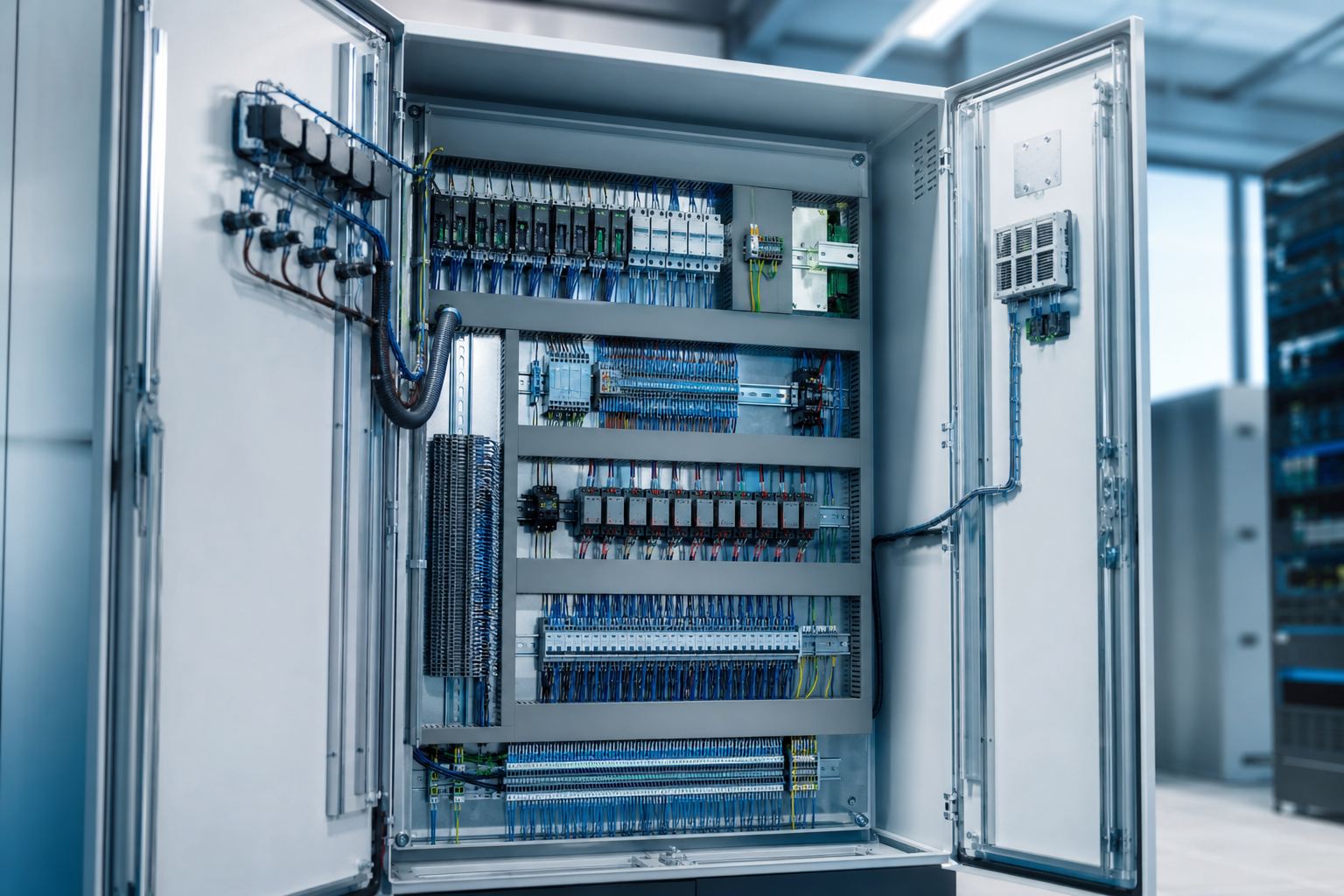
- Structured cabling — the organised copper and fiber that underpins every other system.
- Networks — the switches and infrastructure that move data around the building.
Communication and Experience
- Audio-visual (AV) — displays, sound systems, meeting-room technology and digital signage.
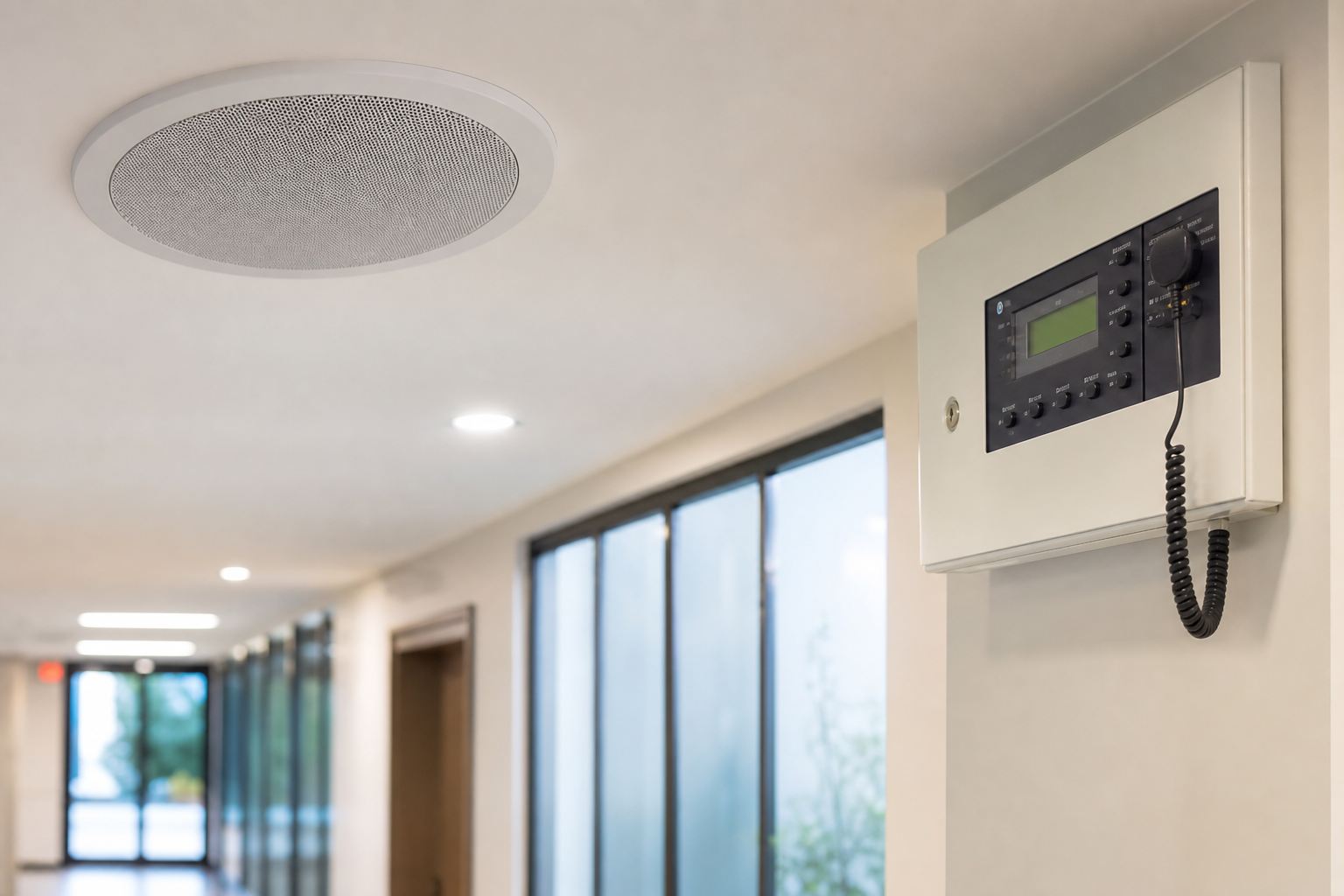
- Public address and intercom — announcements and door-entry communication.
Many buildings also include other low-voltage systems such as building management interfaces and parking or guidance systems, depending on the project.
Why ELV Systems Belong Together
These systems are grouped for good engineering reasons:
| Shared element | Why it matters |
|---|---|
| Cabling and pathways | One structured backbone serves many systems |
| Equipment rooms | Shared, well-planned space and cooling |
| IP networks | Most ELV systems now run over a common network |
| Power over Ethernet | Cameras, access points and devices share PoE |
| Design coordination | Avoids clashes and duplicated infrastructure |
Designing them as a coordinated whole avoids the waste and conflict that come from treating each system as a separate afterthought. A camera, a door reader and a Wi-Fi access point may all ride the same cabling and network, so planning them together is simply more efficient.
How ELV Fits a UAE Project
In Dubai and across the UAE, ELV design should begin early and account for local requirements.
Plan at design stage
Pathways, risers and equipment rooms must be sized for the full suite of ELV systems. These are expensive to retrofit, so getting them onto the architectural drawings early saves significant cost and disruption.
Account for approvals
Depending on the systems involved, you may need to satisfy authority and operator requirements, including those of telecom operators such as DU and Etisalat for cabling and pathways, and the relevant authorities for life-safety and security systems. Confirm what applies to your project before finalising the design.
Build on a strong foundation
Because structured cabling underpins nearly every ELV system, specifying it well, with headroom for future growth, is the most important early decision. Skimp here and every system that depends on it inherits the limitation.
The Value of an Integrated ELV Partner
Engaging a single ELV partner to design and deliver these systems together brings real advantages:
- One coordinated design rather than competing sub-systems.
- Shared infrastructure that reduces duplication and cost.
- Clean integration so security, network and AV work as one.
- Smoother approvals through documentation managed in one place.
- Simpler maintenance with a single point of accountability.
When CCTV, access control, networks and AV are planned and installed by one team, the result is a building where the technology feels seamless rather than stitched together.
In Summary
ELV systems are the low-voltage backbone of a modern building, covering security, connectivity and communication. In the UAE, they reward early planning, a strong structured cabling foundation and attention to local approvals. Treat them as an integrated whole and you get a property that is secure, connected and ready for the future. Explore our services to see the full range we deliver, or review our projects for examples.
Starting a new development or upgrading an existing building? Contact our team for an integrated ELV design tailored to your project and to UAE requirements.
Frequently asked questions
What does ELV stand for?+
ELV stands for Extra-Low Voltage. The term covers the building systems that run on low voltage rather than mains power, such as CCTV, access control, structured cabling, networks and audio-visual systems.
Why are ELV systems grouped together?+
Because they share infrastructure, cabling, pathways, equipment rooms and network backbones, and increasingly run over a common IP network. Designing them together avoids duplication and ensures the systems integrate cleanly.
When should ELV design start in a project?+
As early as possible, ideally during architectural design. ELV systems need pathways, riser space and equipment rooms that are far cheaper to plan upfront than to retrofit after construction.
Do ELV systems need approvals in the UAE?+
Often, yes. Depending on the system, requirements from authorities and operators such as DU and Etisalat may apply, particularly for telecom cabling, life-safety and security systems. Confirm the applicable approvals early.