UAE Security System Regulations: SIRA and What It Means
A plain-English guide to SIRA and UAE security system regulations: what SIRA is, why approvals matter for CCTV and security, and how to plan a compliant project.

SIRA is Dubai's Security Industry Regulatory Agency, which regulates the private security sector, including security systems such as CCTV, and sets standards for how they are designed, installed and maintained. For many Dubai businesses, this means security work must meet SIRA standards and be carried out by an approved company, so understanding the basics early saves time and avoids costly rework.
What SIRA Is and Why It Exists
SIRA oversees the private security industry in Dubai to raise standards, ensure systems are fit for purpose, and support public safety and investigations. Its remit commonly covers:
- Security systems, particularly CCTV, with standards for coverage, quality and retention.
- Security companies, which generally need to be approved and licensed to carry out the work.
- Security personnel, who are trained and licensed.
The practical effect for businesses is that security is treated as a regulated discipline, not just a product you buy off a shelf.
Why Compliance Matters for Your Project
Meeting SIRA standards is about more than ticking a box.
- Approvals and licensing: compliant systems help avoid delays in inspections and related trade-licence or fit-out processes.
- Effective security: the standards exist to make systems genuinely useful, including for incident review.
- Avoiding rework: designing to standard from the start is far cheaper than retrofitting a system that fails inspection.
In other words, compliance and good security usually point in the same direction.
What Compliance Typically Involves
While details vary by premises and change over time, SIRA-aligned security projects generally consider the following. Always confirm current requirements for your specific business.
| Area | Typical consideration |
|---|---|
| Coverage | Cameras positioned to cover required areas and entry points |
| Image quality | Sufficient clarity to identify people and events |
| Retention | Recordings kept for a required minimum period |
| Equipment | Approved or compliant devices and recorders |
| Installation | Carried out by an approved, licensed company |
| Maintenance | Kept operational and properly serviced |
Because these specifics are set by the authority and updated periodically, it is important to check the current requirements rather than relying on older guidance.
Common Premises That Are Often In Scope
Requirements depend on activity and risk, but security-system obligations commonly apply to settings such as:
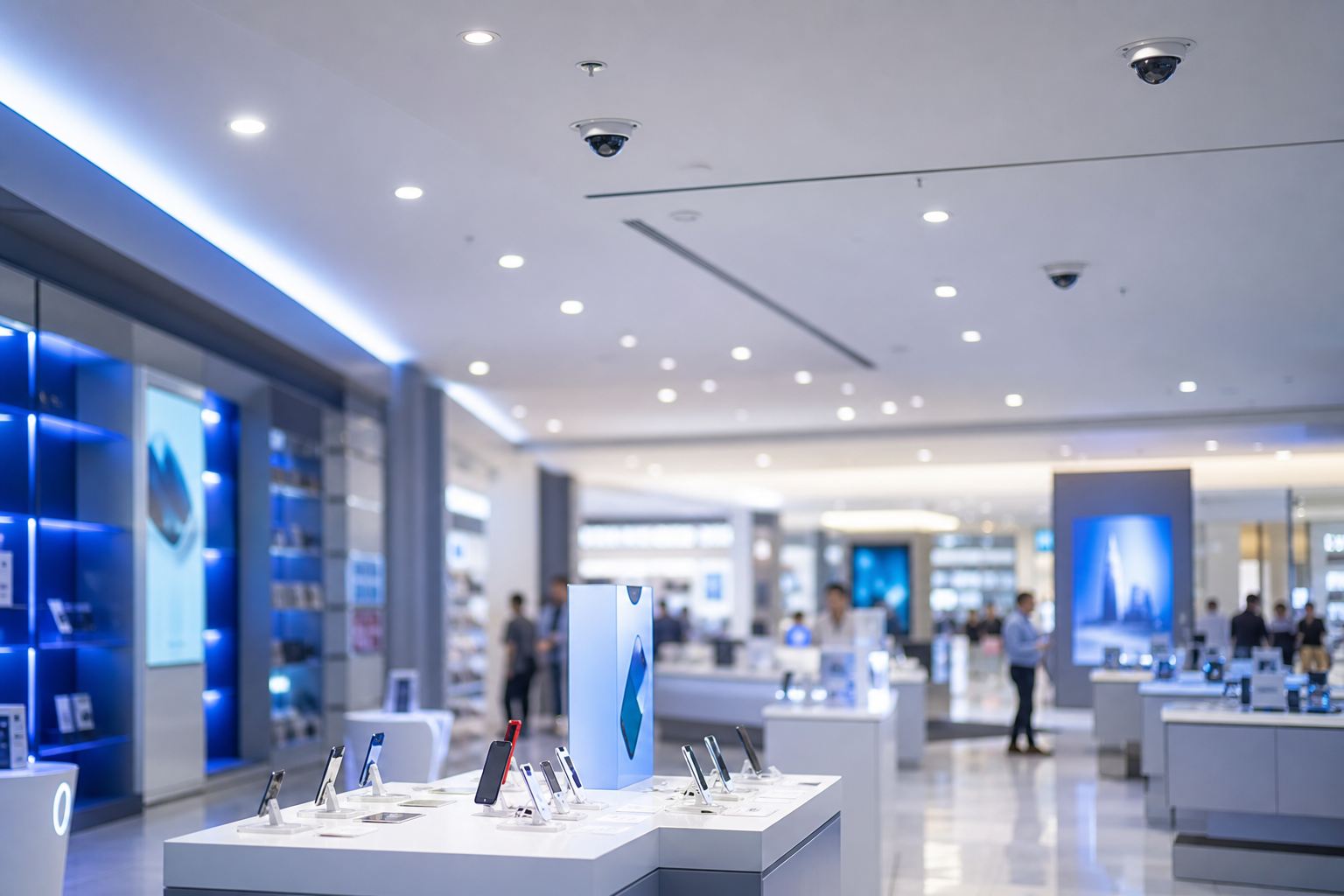
- Retail outlets and shopping centres
- Hospitality venues, hotels and restaurants
- Offices and commercial buildings
- Warehouses, logistics and industrial sites
- Banks, exchanges and high-value premises
If you are unsure whether your premises is in scope, an approved provider can help you check current obligations for your activity.
How to Plan a Compliant Project
A smooth, compliant project usually follows a clear sequence:
- Confirm requirements for your premises type and activity with current guidance.
- Engage an approved company early, before equipment is bought or works begin.
- Design to standard, covering coverage, image quality and retention from the outset.
- Use compliant equipment, avoiding devices that will not meet the standard.
- Install and configure correctly, with proper documentation.
- Arrange inspection and approval as required.
- Maintain the system so it stays compliant and operational over time.
Following this order avoids the classic mistake of installing first and discovering compliance gaps later. Our CCTV and security capabilities are outlined in our services, and you can review delivered, compliant installations through our projects.
Beyond Dubai and Beyond CCTV
SIRA applies in Dubai; other emirates have their own authorities and requirements, so multi-site operators should plan for each location individually. It is also worth remembering that security regulation interacts with other obligations, such as life-safety systems under Civil Defence. Coordinating these from the start produces a building that is both safe and compliant, rather than a patchwork of separate approvals.
Get Compliance Right From the Start
Navigating SIRA and UAE security regulations is far simpler when you involve an approved provider early and design to the required standards from day one. If you are planning a new system, an upgrade or a compliance review, contact our team and we will help you deliver a system that meets current UAE requirements and genuinely protects your premises.
Frequently asked questions
What is SIRA?+
SIRA is the Security Industry Regulatory Agency in Dubai, which regulates the private security industry including security systems such as CCTV. It sets standards for how security systems are designed, installed and maintained and oversees the companies and individuals working in the sector.
Does my business need SIRA approval for CCTV?+
Many commercial premises in Dubai are required to install CCTV that meets SIRA standards, and the work generally must be carried out by an approved company. Requirements vary by premises type and activity, so confirm current obligations for your specific business before proceeding.
Who can install SIRA-compliant systems?+
SIRA-regulated security work generally must be designed and installed by companies approved and licensed for that work, often using approved equipment. Using an approved provider is the most reliable way to ensure your system meets the required standards and passes inspection.
What happens if my system is not compliant?+
Non-compliant systems can lead to failed inspections, delays in approvals or trade-licence processes, and potential penalties. Beyond formalities, a non-compliant system may also leave genuine security gaps, so compliance and effective protection usually go hand in hand.