How to Choose the Right CCTV System for Your Dubai Business
A practical guide to choosing the right CCTV system for your Dubai business: cameras, resolution, storage, SIRA compliance and what to budget for in 2026.
The right CCTV system for your Dubai business is one that covers every critical area at a resolution that produces usable evidence, stores footage for the period your premises requires, and is installed and maintained by a SIRA-licensed company. Get those four things right and the brand of camera matters far less than people assume.
This guide walks facilities managers, business owners and developers through the decisions that actually affect outcomes, with Dubai's regulatory and environmental context in mind.
Start With a Site Survey, Not a Camera List
The most common mistake is choosing cameras before understanding the site. A proper survey identifies:
- Entry and exit points that must always be covered
- High-value or high-risk zones such as cash handling areas, stockrooms and server rooms
- Blind spots created by pillars, signage and shelving
- Lighting conditions across the day and night
- Cabling routes and where the recorder and network equipment will live
In Dubai, outdoor cameras also have to cope with heat, dust and humidity, so ingress protection ratings (IP66 or higher) and operating temperature ranges genuinely matter. A camera rated for a temperate climate may degrade quickly in a rooftop car park here.
Match Camera Types to the Job
No single camera does everything well. Most business systems mix a few types:
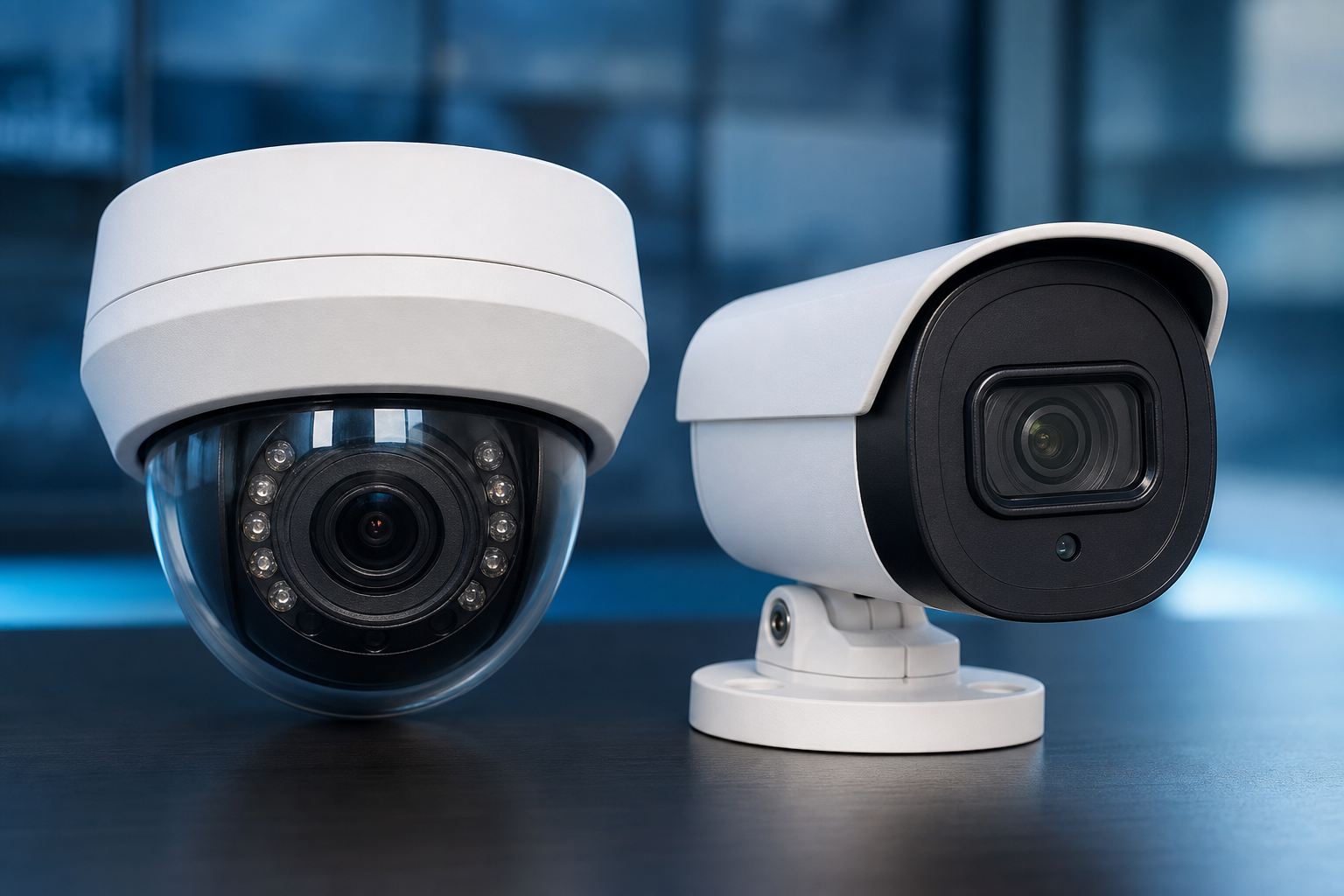
| Camera type | Best for | Notes |
|---|---|---|
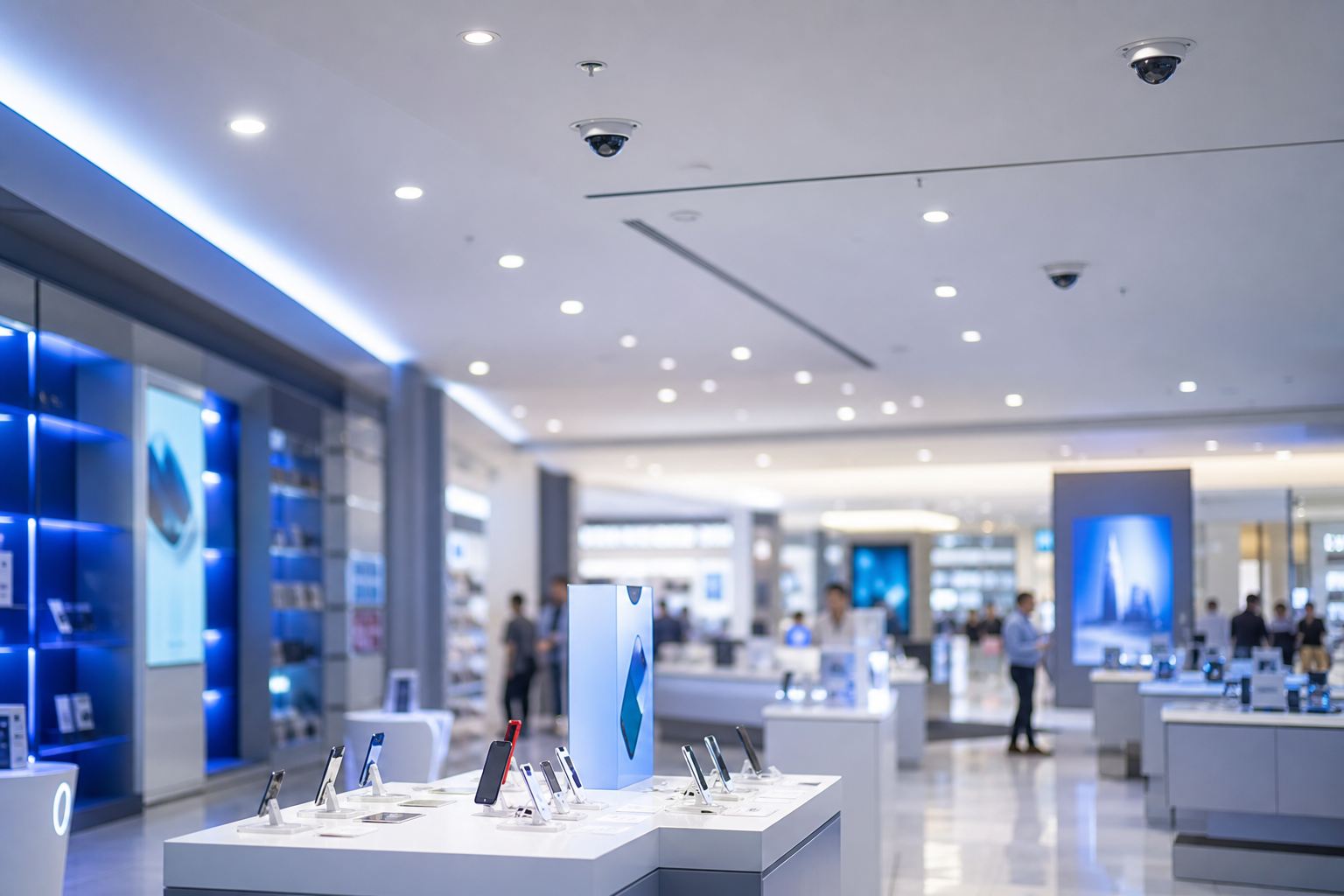
| Fixed dome | Indoor general coverage | Discreet, vandal-resistant options available |
| Bullet | Outdoor perimeters and entrances | Visible deterrent, longer range |
| Turret | Doorways and tills | Good low-light, less glare than domes |
| PTZ | Large open areas | Operator can pan, tilt and zoom live |
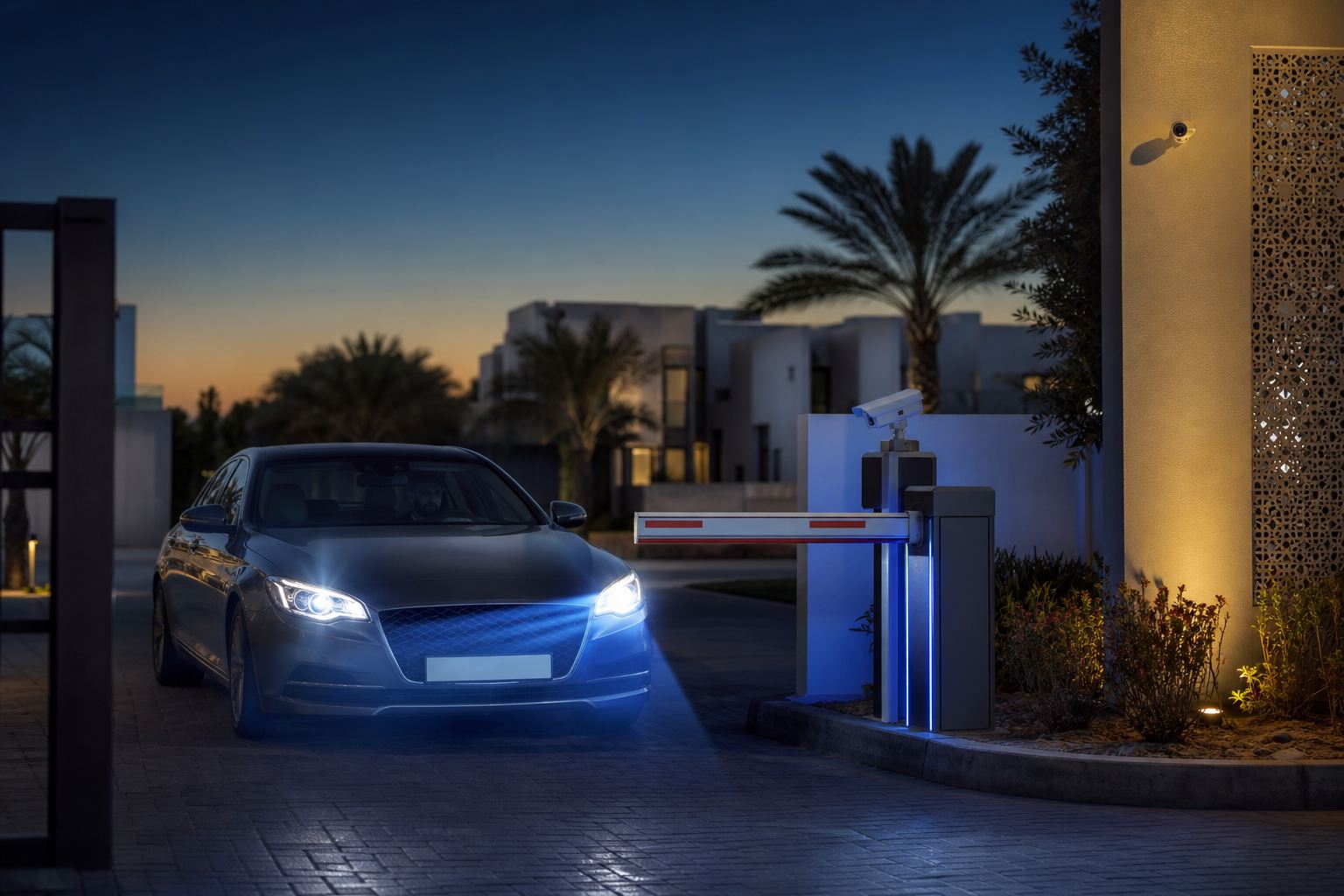
| ANPR | Gates and car parks | Tuned for reading number plates |
For most premises a layered approach works best: wide cameras for situational awareness, plus tighter "identification" cameras at choke points where you need to recognise faces or plates.
Resolution and Field of View
Higher megapixels are only useful if the detail lands where you need it. A single 4K camera trying to cover a whole forecourt may still give you unusable, pixelated faces at the gate. It is usually better to position several well-aimed cameras than one ultra-high-resolution camera trying to do everything.
As a rough planning guide:
- General overview: 2MP to 4MP is often enough
- Facial identification: 4MP to 8MP aimed at a defined choke point
- Number plates: a dedicated ANPR camera, not a general-purpose one
Storage and Retention
Footage is only valuable if it is still there when you need it. Your recorder (NVR) and storage are sized from three variables: number of cameras, their resolution and frame rate, and how many days you must retain. Retention requirements depend on your premises type and current Dubai rules, so confirm them rather than guessing. Many operators choose a hybrid of on-site NVR plus cloud backup so a stolen or damaged recorder does not mean lost evidence.
Compliance Is Part of the Specification
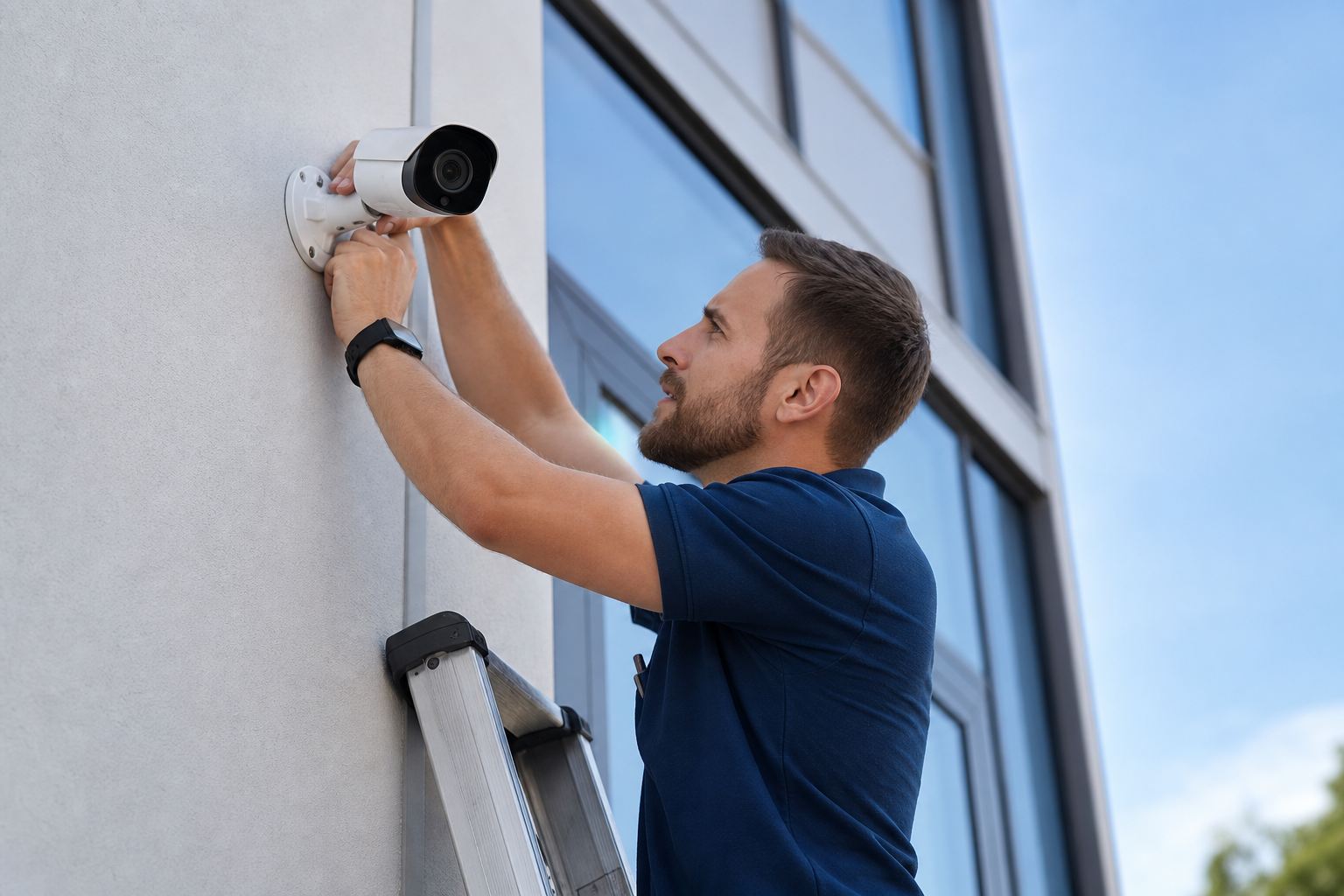
In Dubai, CCTV is not just a purchasing decision, it is a compliance one. Commercial premises are generally expected to meet SIRA standards, and the installation and ongoing maintenance should be carried out by a licensed provider. Building this in from the start avoids costly rework, failed inspections and gaps in coverage. We cover this end to end as part of our services, from design through to certified handover.
Plan for Maintenance From Day One
Cameras drift out of focus, lenses collect dust, and hard drives fail. A system without a maintenance plan slowly becomes a system that records nothing useful. Budget for periodic cleaning, firmware updates, storage health checks and a documented test of recording and playback.
A Simple Selection Checklist
- Did a survey define coverage zones and blind spots first?
- Are identification cameras placed at the points that matter?
- Is storage sized to your required retention period?
- Is the system designed and installed by a SIRA-licensed company?
- Is there a maintenance and warranty plan in place?
Choosing a CCTV system well is really about matching the design to how your premises is actually used, and to the rules that apply to it. If you would like a site survey and a clear, no-pressure recommendation for your premises, contact our team and we will help you specify a system that performs and stays compliant.
Frequently asked questions
Do I need SIRA approval for CCTV in Dubai?+
Most commercial premises in Dubai must install and maintain CCTV that meets the Security Industry Regulatory Agency (SIRA) standards, and the work should be done by a SIRA-licensed company. Requirements vary by premises type, so check current SIRA guidance for your specific activity before you buy.
How many CCTV cameras does a small business need?+
It depends on entry points and coverage gaps rather than floor area. A small retail unit might need 4 to 8 cameras to cover entrances, the till area and storerooms, while a larger facility may need dozens. A site survey is the only reliable way to size the system.
What CCTV resolution is best for business use?+
For most businesses, 4MP to 8MP (4K) IP cameras give a good balance of clarity and storage cost. Higher resolution helps when you need to read faces or number plates, but it also increases bandwidth and recording storage requirements.
How long should I keep CCTV footage?+
Retention depends on your premises type and applicable Dubai regulations, so check current SIRA requirements. Many businesses retain footage for several weeks as a baseline, and your installer can size storage to whatever period you need.