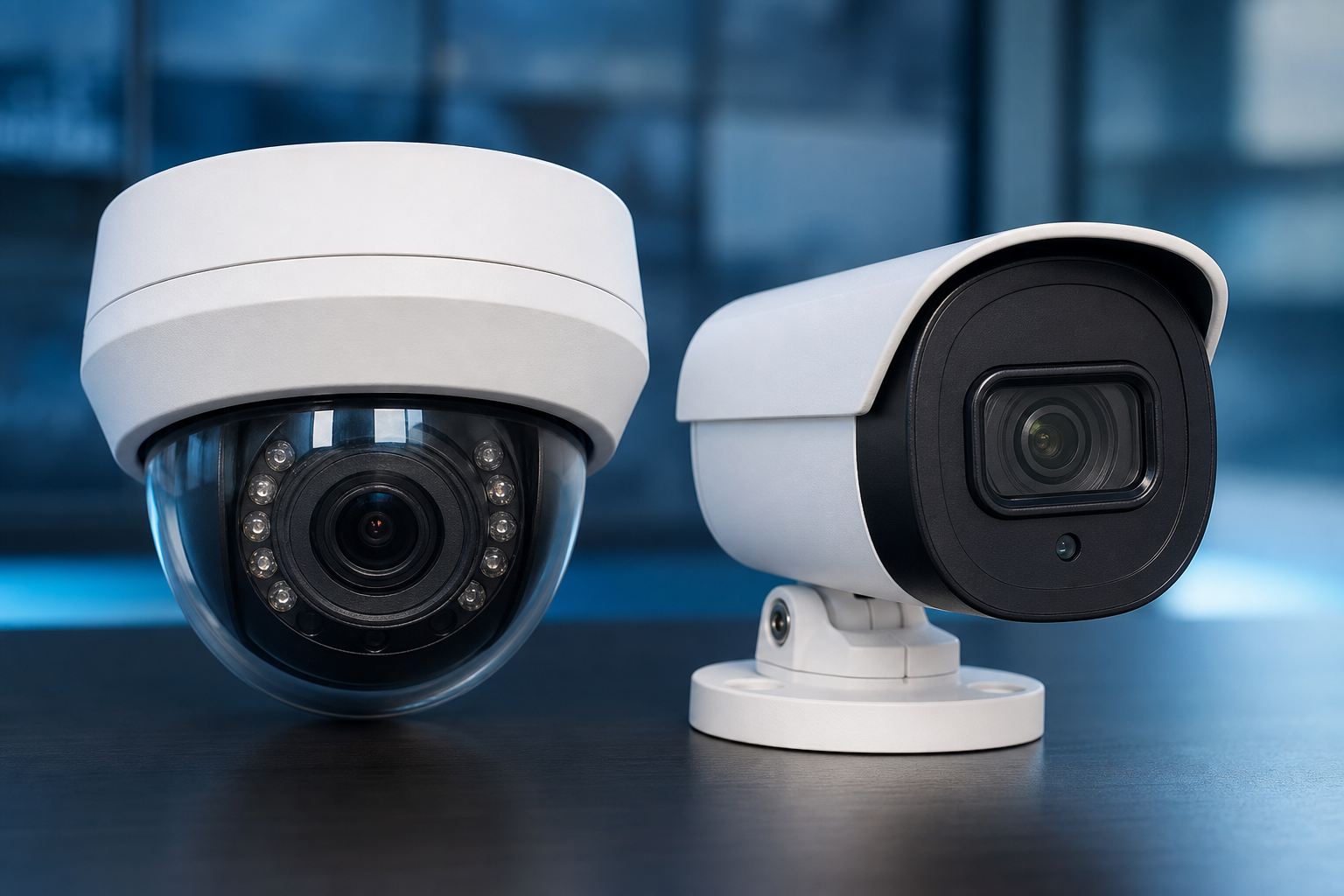
AI in Video Surveillance: What's Real and What's Hype
A clear-eyed look at AI in CCTV for UAE businesses: which video analytics genuinely work, which are overhyped, and how to choose features that deliver value.
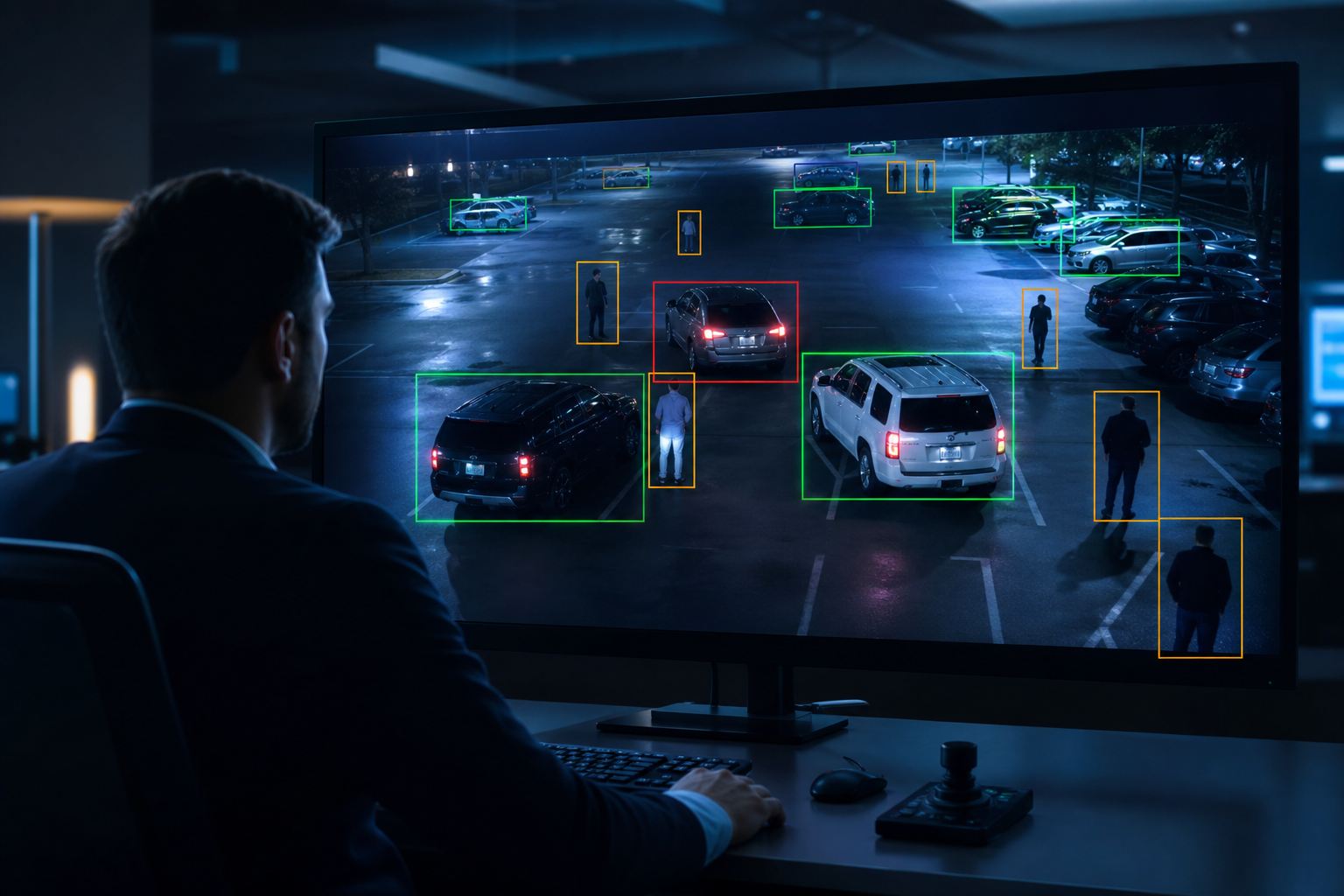
AI in video surveillance is genuinely useful for well-defined tasks like detecting people and vehicles, triggering zone and line-crossing alerts, counting footfall and reading number plates, but much of the broader marketing around prediction and flawless recognition is overstated. The trick is knowing which features reliably deliver value and which are hype.
This article cuts through the noise so UAE businesses can invest in analytics that actually help.
What "AI" Really Means in CCTV
Most "AI" in surveillance is video analytics: software trained to recognise patterns in footage, such as the shape of a person, the outline of a vehicle, or a plate's characters. It is pattern recognition applied to a defined task, not a system that "understands" a scene the way a person does. Keeping that in mind makes claims easier to judge.
What Genuinely Works Today
These features are mature, widely deployed and dependable when cameras are set up correctly:
- Object classification – telling people and vehicles apart from animals, shadows and foliage
- Intrusion and line-crossing detection – alerting when something enters a zone or crosses a boundary
- People counting and occupancy – useful for retail footfall and space management
- ANPR – reading number plates at gates and car parks
- Loitering and object-left-behind alerts – flagging unusual dwell or abandoned items
The biggest practical win is fewer false alarms. Traditional motion detection triggers on every shadow and gust; good analytics only alerts on a real person or vehicle, so operators trust the alerts and respond.
What to Treat With Caution
Some claims deserve scepticism, especially in real-world UAE conditions of glare, dust and crowds:
| Claim | Reality |
|---|---|
| "Flawless face recognition anywhere" | Works in controlled, well-lit entries; degrades with angle, light and crowds |
| "Predicts crime before it happens" | Behaviour analytics are immature and error-prone |
| "Zero false alarms" | Greatly reduced, never truly zero |
| "Understands intent or emotion" | Largely marketing; unreliable in practice |
None of this means AI is useless. It means matching expectations to what the technology can dependably do.
Camera Placement Beats Clever Software
The most overlooked truth: analytics are only as good as the footage feeding them. A poorly placed camera with backlight, an awkward angle or a dirty lens will defeat even the best algorithm. Before paying for advanced features, get the fundamentals right:
- Correct mounting height and angle for the task
- Good lighting, or cameras suited to low light
- Resolution appropriate to the distance and detail needed
- Clean lenses and weather protection for the UAE climate
Spending on placement and image quality often improves results more than buying the latest analytics package.
Where AI Adds Real Value
For UAE businesses, the strongest returns tend to come from:
- Retail – footfall counting, queue management and till-area alerts
- Logistics – perimeter intrusion detection and ANPR at gates
- Facilities – after-hours intrusion alerts that cut nuisance call-outs
- Access points – plate or credential-driven entry automation
In each case the AI does a narrow, well-defined job that saves operator time or catches what a person watching many screens would miss.
Privacy, Compliance and Responsibility
Smarter cameras raise the stakes on privacy. Features like face recognition carry obligations around consent, data storage and access that vary by emirate and evolve over time. Record only what you need, secure it properly, and check current SIRA requirements and any sector rules before deploying sensitive analytics. Responsible deployment protects both individuals and your organisation.
How to Choose Wisely
A sensible approach:
- Define the specific problem you want to solve.
- Ask vendors to demonstrate the feature on footage like yours, not a polished demo.
- Confirm whether your cameras, recorder or a server will run the analytics.
- Prioritise reliable basics over flashy claims.
- Build in privacy and compliance from the start.
You can see the surveillance and analytics solutions we deploy in our services, and real deployments in our projects.
Used well, AI makes surveillance more proactive and far less labour-intensive; oversold, it disappoints and wastes budget. If you would like an honest assessment of which analytics suit your site, contact our team and we will recommend features that earn their keep.
Frequently asked questions
Does AI in CCTV actually work?+
Yes, for well-defined tasks. Object detection, line crossing, intrusion zones, people counting and plate recognition are mature and reliable when cameras are positioned well. Broad claims about predicting behaviour or flawless face recognition in any condition are far less dependable.
What is the most useful AI CCTV feature?+
For most businesses it is accurate object and intrusion detection that cuts false alarms. Distinguishing a person or vehicle from a shadow, animal or moving tree dramatically reduces nuisance alerts, so operators trust and act on the ones that remain.
Is facial recognition reliable?+
It works well in controlled conditions such as a fixed entry point with good lighting and cooperative subjects. Accuracy drops with poor angles, low light or crowds, and it carries privacy and compliance obligations. Treat any claim of perfect accuracy in all conditions with caution.
Do I need new cameras to use AI analytics?+
Sometimes. Analytics can run on the camera, on a recorder or on a server. Some existing cameras support it; others need replacing or a server-based platform. A survey determines the most cost-effective route for your site.